
How to Measure Strength Training Progress After 40
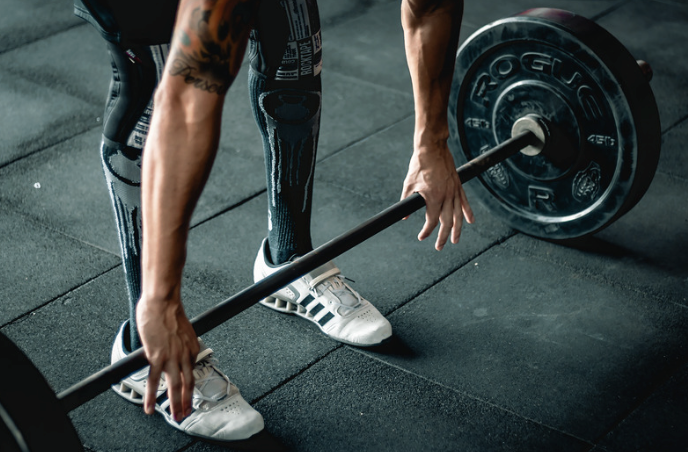
You're showing up to the gym. You're lifting weights. You're trying to stay consistent. But how do you actually know whether your strength training program is working?
Quick Answer: How Do You Know If Strength Training Is Working?
Your strength training program is working if you can see measurable improvements over time. That may include lifting heavier weights, completing more repetitions, gaining or maintaining muscle, reducing body fat, improving technique or finding everyday activities easier.
For adults over 40, progress shouldn't be measured by the scale alone. Strength, body composition, movement and how your body performs in everyday life can all tell you whether your program is moving you in the right direction.
What Are the Best Ways to Measure Strength Training Progress?
The best way to measure strength training progress is to track several different markers instead of relying on one number.
Useful measurements include:
- The amount of weight you can lift
- The number of repetitions you can perform
- Exercise technique and control
- Muscle mass
- Body fat percentage
- How everyday activities feel
- Performance in sports or recreational activities
Is the Scale a Good Way to Measure Fitness Progress?
The scale can be useful, particularly if weight loss is one of your goals, but body weight alone does not tell you whether you're gaining muscle, losing body fat or getting stronger.
For example, someone may gain muscle while losing body fat and see only a small change in total body weight.
That doesn't mean the program isn't working.
It's one reason adults who are strength training should consider additional measures of progress.
How Can You Tell If You're Getting Stronger?
One of the clearest signs that strength training is working is that you're gradually able to do more than you could before.
You may be getting stronger if you're:
- Lifting heavier weights
- Performing more repetitions with the same weight
- Using better technique
- Moving with more control
- Completing exercises that used to be difficult
- Recovering better between sets
At Gage Strength Training, coaches track the weights clients use so progress can be measured over weeks and months rather than relying on memory.
Why Is Body Composition Important After 40?
Body composition helps show how much of your body weight comes from components such as muscle and body fat.
For adults over 40, this can provide useful information because maintaining muscle and strength becomes increasingly important as you age.
At Gage Strength Training, InBody testing can help monitor changes including:
- Muscle mass
- Body fat percentage
- Body weight
- Body composition trends over time
Can You Make Progress Without Losing Weight?
Yes. You can make significant fitness progress without seeing a large decrease on the scale.
You may be:
- Building muscle
- Losing body fat
- Getting stronger
- Moving better
- Improving balance and stability
- Increasing your physical capacity
Those are meaningful improvements even when your total body weight changes very little.
How Does Strength Training Progress Show Up in Everyday Life?
Some of the most useful signs of progress happen outside the gym.
Ask yourself:
- Are stairs easier?
- Can you carry groceries more comfortably?
- Is getting up from the floor easier?
- Do you feel stronger doing household tasks?
- Can you keep up better during recreational activities?
- Do you feel more physically capable than you did several months ago?
If the answer is yes, your strength training may be improving your ability to handle the demands of everyday life.
How Long Does It Take to Notice Strength Training Results?
There is no exact timeline that applies to everyone. Your starting point, training history, program, nutrition, recovery and consistency all influence how quickly progress occurs.
Instead of evaluating your program based on one workout or one week, compare where you are today with where you were 30, 60 or 90 days ago.
That longer timeframe gives you a much clearer picture of your progress.
What Should Improve During Your First 90 Days?
Your progress during your first 90 days should align with the reason you started training.
If Your Goal Is Strength
You should begin seeing measurable improvements in the exercises you're performing and may notice that everyday activities feel easier.
If Your Goal Is Weight Loss
You may see changes in body weight, body fat percentage, measurements or how your clothes fit when training is combined with appropriate nutrition and habits.
If Your Goal Is Performance
Your program should include specific benchmarks connected to the sport or activity you're trying to improve.
Why Does Coaching Make Progress Easier to Track?
One challenge of working out alone is knowing when to increase your weight, change an exercise or adjust your training plan.
A coach can help make those decisions based on what you're actually doing in your workouts.
At Gage Strength Training, our coaches help clients:
- Choose appropriate exercises
- Learn proper technique
- Progress weights appropriately
- Modify training based on individual ability
- Track measurable progress
- Stay consistent over time
Frequently Asked Questions About Strength Training Progress After 40
How do you know if you're gaining muscle after 40?
Signs may include increased muscle mass on body composition testing, improved strength, changes in measurements and better performance during resistance training.
Is getting stronger a better measure than losing weight?
It depends on your goal. If your primary goal is strength, lifting progress and physical performance may be more relevant than scale weight.
How often should you track strength training progress?
You can track workout performance regularly, but longer-term comparisons over several weeks or months usually provide a clearer picture of meaningful progress.
Why am I getting stronger but not losing weight?
Body weight may stay similar if you're building or maintaining muscle while losing body fat. Nutrition, total activity and other factors can also affect scale weight.
What is the best sign that a workout program is working?
The best sign is measurable improvement related to your specific goal, whether that's strength, body composition, movement, performance or everyday function.
Your Progress Should Be Measurable and Meaningful
You shouldn't have to guess whether your strength training program is working.
When you combine objective measurements with improvements you can actually feel in your life, you get a much clearer picture of your progress.
If you're over 40 and aren't sure how to build or measure an effective strength training routine, Gage Strength Training can help.
Visit gagestrengthtraining.com to learn how to get started.