
How to Start Working Out When Overweight
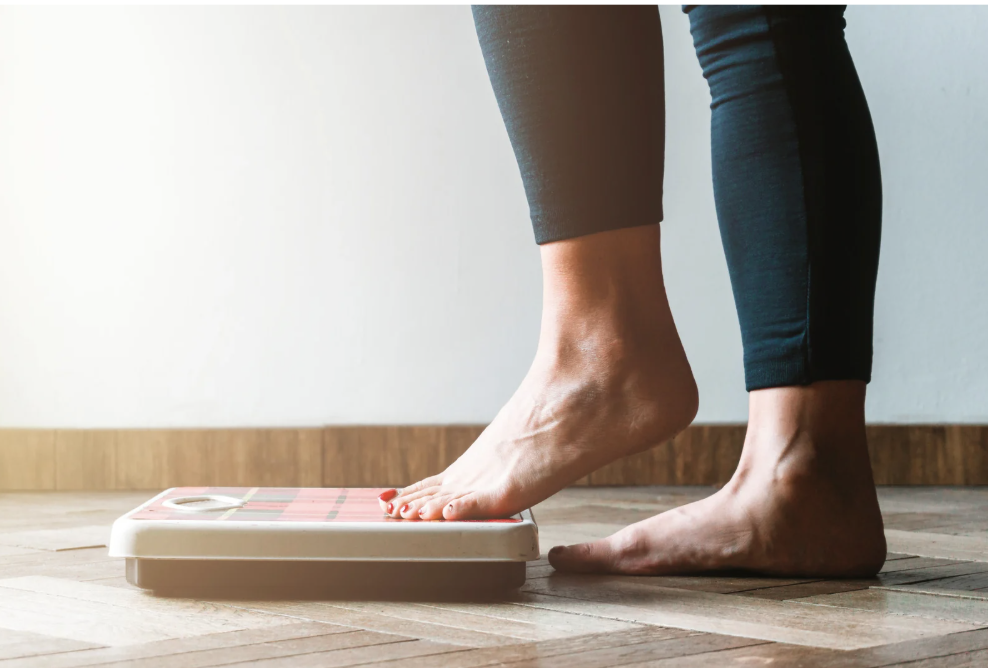
How to Start Working Out When You're Overweight and Out of Shape
Have you ever thought, "I need to get in shape before I join a gym"?
It's a concern we hear from people who want to improve their health but aren't sure where to start.
Maybe you haven't exercised in years. Maybe you're worried about keeping up with everyone else. Or maybe you've tried getting started before, but nothing seemed to stick.
Here's something important to understand: You don't need to be in shape to start exercising.
Can You Start Working Out If You're Overweight?
Yes. You can begin exercising at almost any fitness level, including if you're overweight, out of shape, or completely new to working out. The key is starting with exercises appropriate for your current abilities and gradually building strength, endurance, and confidence.
You don't need to run miles, lift heavy weights, or complete intense workouts on your first day.
You simply need a starting point that works for you.
5 Tips for Starting an Exercise Routine
1. Start With What You Can Do Today
One of the biggest mistakes beginners make is trying to do too much too soon.
You don't need to exercise for an hour every day to make progress.
Start with manageable activities, such as:
- Taking a 10-minute walk.
- Practicing standing up from a chair.
- Completing gentle bodyweight exercises.
- Trying a beginner-friendly strength training session.
Consistency matters more than making your first workout as difficult as possible.
2. Focus on Strength Training
Strength training isn't just for athletes or experienced gym members.
It's an excellent way for beginners to improve muscle strength, functional movement, and overall fitness.
Exercises can be modified using lighter weights, resistance bands, supportive equipment, or different ranges of motion.
For adults over 40, strength training can be particularly valuable for maintaining independence and making everyday tasks easier.
3. Choose Exercises That Feel Manageable
Not every workout needs to include jumping, running, or complicated movements.
Beginner-friendly options may include chair squats, wall push-ups, supported step-ups, and resistance band exercises.
As your strength and confidence improve, your workouts can progress with you.
4. Set Realistic Goals
Instead of focusing only on the scale, consider goals such as:
- Completing two or three workouts per week.
- Walking longer without getting tired.
- Feeling more confident using exercise equipment.
- Getting stronger at everyday movements.
- Establishing a routine you enjoy.
These improvements can help keep you motivated while you work toward larger goals.
5. Get Support From a Qualified Coach
Starting alone can feel overwhelming, especially when you don't know what exercises to do or how hard you should push yourself.
A personal trainer can help you develop a plan, learn proper technique, and make adjustments based on your abilities.
Having guidance also helps take some of the guesswork out of your fitness journey.
How Often Should Beginners Work Out?
For many beginners, starting with two or three strength training sessions per week is a manageable goal.
You can gradually add walking or other activities on days you're not strength training.
If you have medical conditions, significant mobility limitations, or concerning symptoms, speak with your healthcare professional before starting a new program.
What If You Feel Intimidated by the Gym?
Gym intimidation is real, especially when you're unfamiliar with the equipment or worried about keeping up.
But a supportive training environment should meet you where you are.
At Gage Strength Training, we work with adults of different ages, fitness levels, and experience levels.
Our small-group personal training sessions combine individualized coaching with a supportive community, so you don't have to figure everything out on your own.
Frequently Asked Questions
What is the best workout for an overweight beginner?
A combination of accessible strength exercises and low-impact cardiovascular activities, such as walking, can be a good starting point. The best routine depends on individual abilities and health needs.
Should I lose weight before joining a gym?
No. You don't need to lose weight before beginning exercise. A beginner-friendly gym or personal trainer can help you start at your current fitness level.
How long does it take to get in shape?
Progress varies from person to person. Many beginners notice improvements in strength, confidence, or endurance as they build consistent habits over several weeks and months.
You Don't Have to Get in Shape Before Getting Started
Everyone starts somewhere.
Whether you haven't exercised in years or you're simply ready to try something new, taking that first step can make a difference.
At Gage Strength Training, our 21 Day Jumpstart is designed to introduce you to a structured training routine with personalized coaching and support.
Ready to start? Learn more about our 21 Day Jumpstart and take the first step toward feeling stronger and more confident.